Benefits of Using Zipper Bags: Complete Guide for Malaysian Businesses | HAIN Packaging
May 8, 2026
Benefits of Aluminium Foil Packaging: Complete Guide for Businesses | HAIN Packaging
May 8, 2026In a world that is increasingly conscious of environmental issues, the importance of sustainable food packaging practices cannot be overstated. As consumers become more environmentally aware, businesses across Malaysia are embracing sustainable practices to meet their demands. At HAIN Packaging, we recognize the urgent need for eco-friendly packaging solutions, and we’re committed to providing just that.
Key Takeaways
- Sustainable food packaging reduces environmental impact — eco-friendly materials and designs minimize waste, lower carbon footprint, and conserve natural resources.
- Consumer demand for sustainability is growing in Malaysia — environmentally conscious consumers actively seek out brands that demonstrate commitment to eco-friendly practices.
- Multiple sustainable packaging options exist — recyclable plastics, biodegradable materials, reduced-material designs, and reusable packaging all contribute to sustainability goals.
- Sustainability can be cost-effective — lighter packaging reduces shipping costs, and efficient designs use less material while maintaining protection.
- Sustainable packaging enhances brand reputation — businesses that prioritize eco-friendly packaging build customer loyalty and differentiate themselves in the market.

Why Sustainable Food Packaging Matters for Malaysian Businesses
Malaysia generates approximately 3.8 million tonnes of plastic waste annually, with packaging accounting for a significant portion. As environmental awareness grows among Malaysian consumers, businesses face increasing pressure to adopt sustainable packaging practices. This shift is not just about corporate responsibility — it’s a strategic business decision that affects brand perception, customer loyalty, and long-term viability.
The Malaysian government has also introduced initiatives to promote sustainability, including the Malaysia Plastics Sustainability Roadmap and various extended producer responsibility (EPR) programmes. Businesses that proactively embrace sustainable packaging position themselves ahead of regulatory changes and demonstrate leadership in their industries.
What Makes Food Packaging Sustainable?
Sustainable food packaging is defined by several key characteristics that together minimize environmental impact throughout the packaging lifecycle:
- Material efficiency: Using less material overall through optimized design, lightweight construction, and right-sizing for the product.
- Recyclability: Packaging designed to be easily sorted and recycled through existing waste management systems.
- Use of recycled content: Incorporating post-consumer recycled (PCR) materials reduces demand for virgin resources.
- Biodegradability or compostability: Materials that break down naturally without leaving harmful residues.
- Renewable sourcing: Using materials derived from renewable sources rather than finite fossil fuels.
- Reduced carbon footprint: Lower energy consumption during production, lighter weight for transport, and efficient end-of-life processing.
Types of Sustainable Food Packaging Options
HAIN Packaging offers a variety of sustainable food packaging options tailored to Malaysia’s needs. Here are the most popular choices for eco-conscious businesses:
1. Recyclable Plastic Packaging
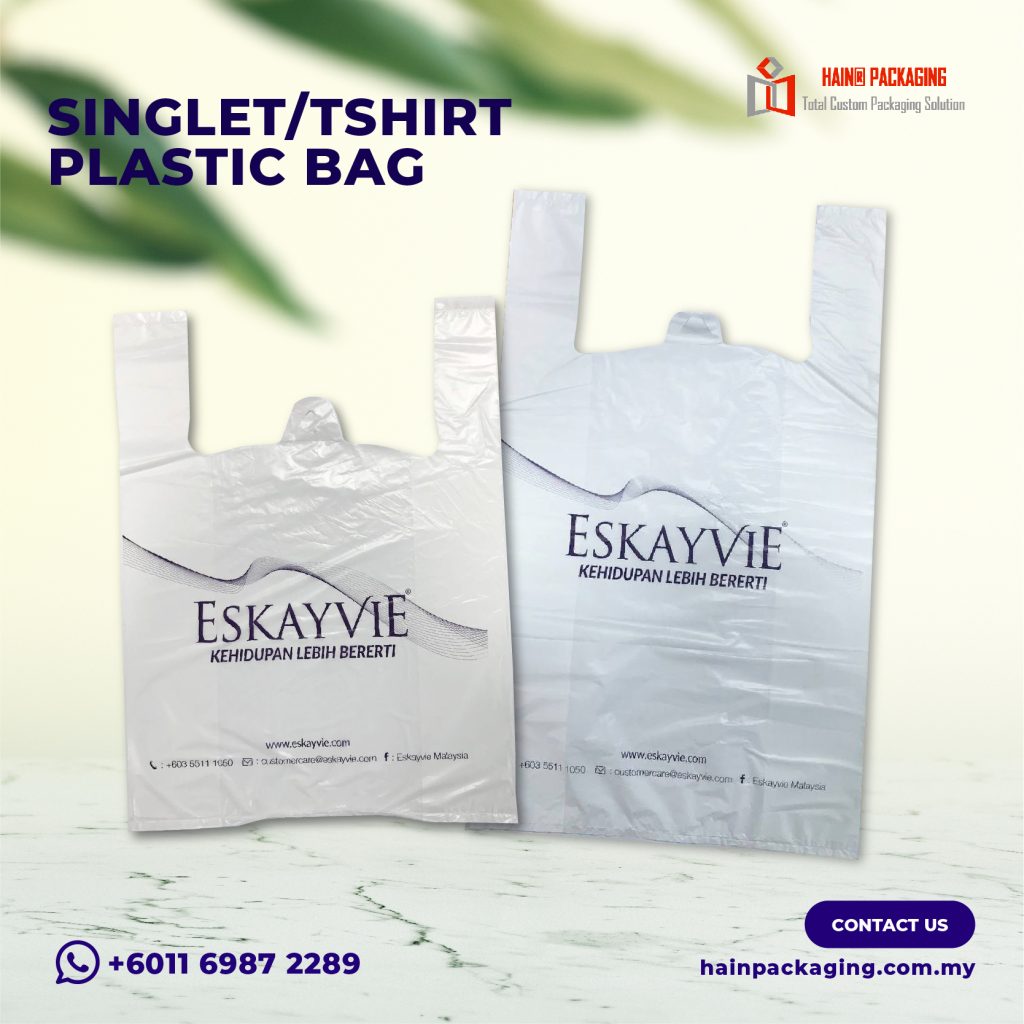
Modern recyclable plastic packaging, such as polyethylene (PE) and polypropylene (PP), offers excellent protection while being fully recyclable through established recycling streams. Mono-material packaging (using a single plastic type rather than multi-layer laminates) is increasingly popular because it can be easily recycled without complex separation processes. Custom-printed recyclable bags are an excellent choice for businesses that want both branding and sustainability.
2. Lightweight and Minimalist Packaging
One of the most effective sustainability strategies is simply using less material. By optimizing packaging design to eliminate unnecessary layers, reduce thickness, and right-size for products, businesses can significantly reduce their material usage and environmental footprint. Lighter packaging also reduces transportation costs and carbon emissions.
3. Biodegradable and Compostable Options
For certain applications, biodegradable materials offer an environmentally friendly alternative. These materials are designed to break down naturally under specific conditions. However, it’s important to note that biodegradable packaging requires proper disposal infrastructure to realize its environmental benefits.

4. Reusable Packaging Systems
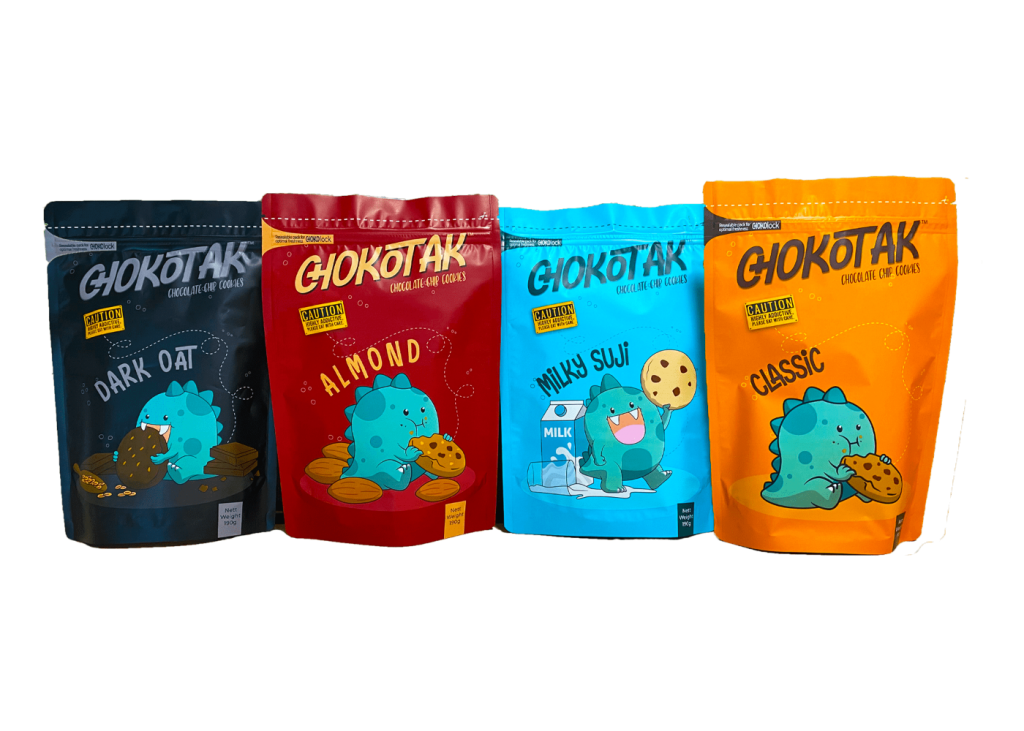
Resealable packaging, such as ziplock bags with secure closures, adds reusability to packaging. Consumers can reseal and reuse the packaging multiple times, extending its useful life and reducing waste. This approach is particularly effective for food products that are consumed over multiple servings.
How HAIN Packaging Champions Sustainability
At HAIN Packaging, we take pride in offering a variety of sustainable packaging options tailored to Malaysia’s needs. Our commitment to the environment is evident in every step of our production process:
- Material selection: We prioritize recyclable and eco-friendly materials that maintain the protective quality our customers expect.
- Design optimization: Our team works with clients to minimize material usage without compromising functionality.
- Recyclable solutions: We offer mono-material packaging that simplifies recycling for end consumers.
- Efficient production: Our manufacturing processes are optimized for energy efficiency and minimal waste.
Our sustainable packaging solutions are designed to cater to businesses across Malaysia. Whether you’re in the food industry, retail, or any other sector, our eco-friendly packaging options can be tailored to meet your specific requirements. By choosing HAIN Packaging, you’re not only making a responsible choice for your business but also contributing to a cleaner and healthier environment.
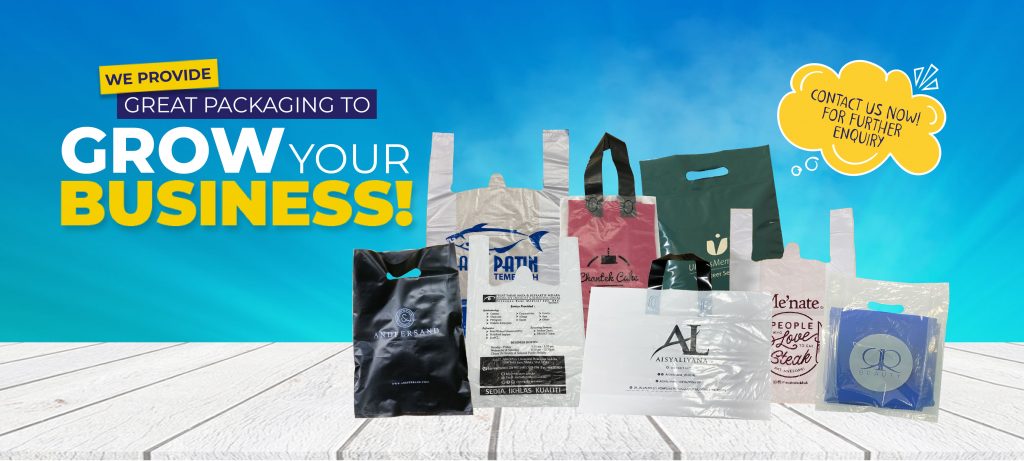 HAIN Packaging offers tailored sustainable packaging solutions for Malaysian businesses
The Business Case for Sustainable Food Packaging
Adopting sustainable food packaging is not just an environmental decision — it makes strong business sense:
- Consumer preference: Studies show that a majority of consumers prefer to purchase from brands with sustainable packaging and are willing to pay more for eco-friendly options.
- Brand differentiation: In competitive Malaysian markets, sustainable packaging sets your brand apart and communicates values that resonate with modern consumers.
- Cost savings: Lightweight and minimalist packaging reduces material costs and shipping expenses over time.
- Regulatory readiness: As environmental regulations tighten, early adopters of sustainable packaging are better positioned to comply without disruption.
- Positive PR: Sustainability initiatives generate positive media coverage and customer goodwill.
As a trusted packaging supplier in Malaysia, HAIN Packaging is committed to helping businesses transition to more sustainable packaging solutions without sacrificing quality or functionality.
Frequently Asked Questions (FAQ)
1. What is the most sustainable type of food packaging?
The most sustainable packaging depends on your specific product and use case. Generally, mono-material recyclable plastic packaging offers an excellent balance of protection, cost-effectiveness, and recyclability. The key is to minimize material usage while ensuring the packaging performs its protective function effectively.
2. Is sustainable packaging more expensive than traditional packaging?
While some eco-friendly materials may have higher per-unit costs, sustainable packaging can be cost-effective overall when considering reduced material usage, lower shipping weight, and positive brand perception. Many options in HAIN Packaging’s range are competitively priced with conventional alternatives.
3. Can sustainable packaging still protect food effectively?
Absolutely. Modern sustainable packaging materials are engineered to provide the same level of protection as conventional options. HAIN Packaging’s eco-friendly solutions offer excellent barrier properties, durability, and food safety compliance while being better for the environment.
4. How do Malaysian consumers feel about sustainable packaging?
Malaysian consumers are increasingly environmentally conscious. Surveys show that a growing majority consider sustainability important when making purchasing decisions and are willing to pay more for eco-friendly packaging. This trend is strongest among younger consumers and urban populations.
5. Does HAIN Packaging offer custom sustainable packaging?
Yes! HAIN Packaging specializes in custom packaging solutions, including sustainable options. Our team works closely with you to develop packaging that meets your specific product requirements, brand identity, and sustainability goals. Contact our team to discuss your needs.
External Resources
For more information on Malaysia’s sustainable packaging landscape, refer to EY’s analysis of sustainable flexible plastic packaging strategy in Malaysia.
Conclusion
The importance of sustainable food packaging practices is undeniable. From reducing environmental impact to meeting consumer expectations and building brand loyalty, sustainable packaging is a smart investment for any forward-thinking business. At HAIN Packaging, we are dedicated to providing eco-friendly solutions that help Malaysian businesses make a positive impact while growing their brands.
Ready to make the switch to sustainable packaging? Contact HAIN Packaging via WhatsApp today to explore our eco-friendly packaging options and discover how we can help your business thrive sustainably.
Browse the complete product catalog to explore all available packaging options.