

Retort Pouch vs Canning: Why Flexible Packaging Wins for Modern Food Brands
May 7, 2026The Importance of Packaging: Complete Guide for Malaysian Brands | HAIN Packaging
May 8, 2026Stand Up Pouch vs Flat Pouch: Cost Comparison for Malaysian Food Businesses
Choosing between stand up pouches and flat pouches is one of the most common decisions Malaysian food business owners face. Each format has distinct cost implications, functionality, and branding potential. Stand up pouches are more expensive per unit but offer premium shelf presence and better product display. Flat pouches (also called pillow pouches or three-side seal bags) are cost-effective and space-efficient but lack the visual impact of a stand-up format. This comprehensive cost comparison helps you determine which packaging format delivers the best value for your specific product and budget.
Explore HAIN’s complete custom plastic packaging solutions for your business needs.
Key Takeaways
- Flat pouches cost 30–50% less per unit than stand up pouches of equivalent size and material.
- Stand up pouches command 15–25% higher perceived value from consumers, allowing for premium pricing.
- Flat pouches offer better transport efficiency (stack flat, save space), reducing shipping costs by up to 40%.
- Stand up pouches are ideal for retail display — they stand upright on shelves without additional display fixtures.
- For Malaysian SMEs, the break-even point typically occurs when retail shelf presence and brand differentiation justify the higher unit cost.
Table of Contents
- What Are Stand Up Pouches and Flat Pouches?
- Detailed Cost Breakdown
- Stand Up Pouch vs Flat Pouch: Side-by-Side Comparison
- When to Choose Stand Up vs Flat Pouches
- Material and Barrier Considerations
- Hidden Cost Savings: Transport and Storage
- Frequently Asked Questions
What Are Stand Up Pouches and Flat Pouches?
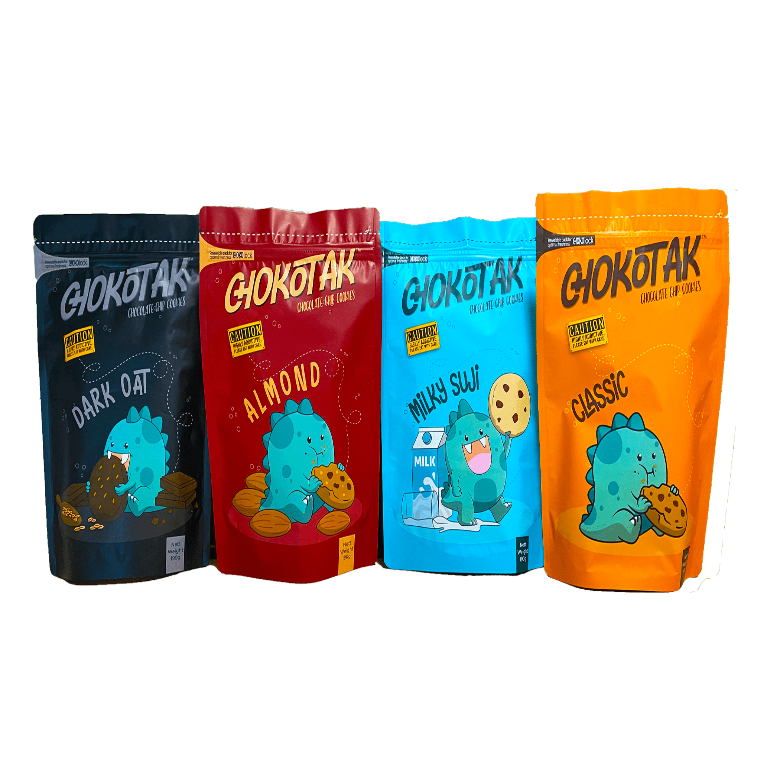
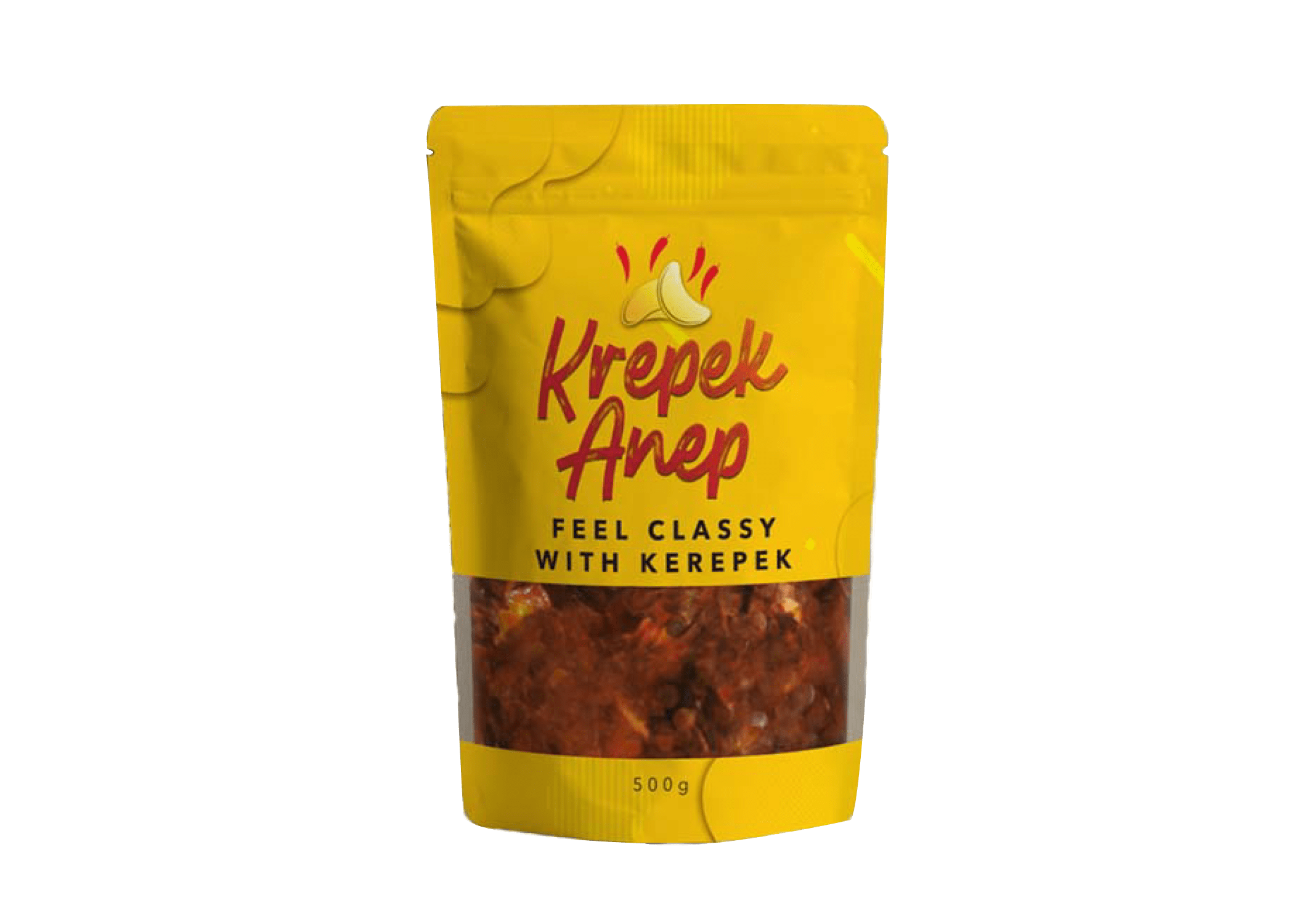
Stand up pouches (also called stand-up bags or doy packs) feature a gusseted bottom that allows the pouch to stand upright when filled. They typically have a bottom gusset that expands, creating a stable base. Most stand up pouches also include a resealable zipper for convenience. They are commonly used for coffee, snacks, beverages, sauces, and retail food products.
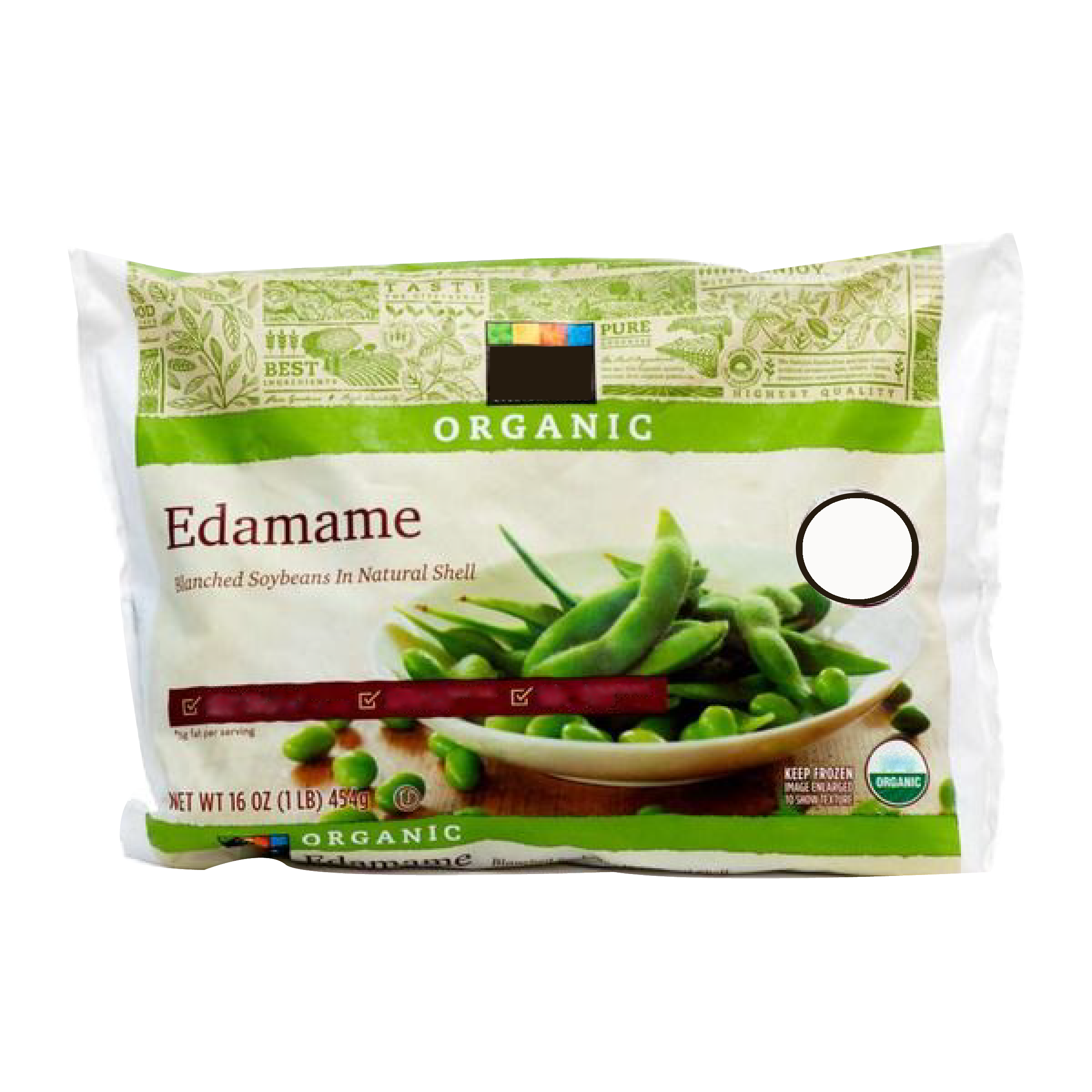
Flat pouches (also known as pillow pouches, three-side seal bags, or centre seal pouches) lie flat when empty or filled. They are heat-sealed on three or four sides and are the most basic flexible packaging format. Flat pouches are widely used for frozen food, dry snacks, powders, sachets, and bulk-packaged items.
Discover our food-grade packaging solutions certified for Malaysian food safety standards.
Detailed Cost Breakdown
The cost difference between stand up and flat pouches comes down to three main factors: material usage, manufacturing complexity, and additional features. Here is a realistic price comparison for Malaysian food businesses:
| Cost Factor | Flat Pouch (Pillow) | Stand Up Pouch | Cost Difference |
|---|---|---|---|
| Basic laminated pouch (100mm × 150mm) | RM 0.12 – 0.20/unit | RM 0.25 – 0.45/unit | Stand up is 2–3× more |
| With zipper/resealable closure | RM 0.15 – 0.28/unit | RM 0.30 – 0.55/unit | Zipper adds RM 0.05–0.10 |
| With valve (coffee packaging) | RM 0.20 – 0.35/unit | RM 0.40 – 0.70/unit | Valve adds RM 0.08–0.15 |
| Full-colour rotogravure printing | RM 0.18 – 0.30/unit | RM 0.35 – 0.60/unit | Print cost similar, base film cost differs |
| Minimum order quantity | 1,000 – 5,000 units | 1,000 – 5,000 units | Similar MOQ for both |
These prices are estimates for standard laminated structures (PET/Aluminium/LDPE). Custom specifications, exotic materials, and special features will affect final pricing. Always request a custom quote from your packaging manufacturer. For authoritative data on flexible packaging costs and trends, refer to the Flexible Packaging Association industry reports.
Stand Up Pouch vs Flat Pouch: Side-by-Side Comparison
| Feature | Stand Up Pouch | Flat Pouch |
|---|---|---|
| Per-unit cost | Higher (RM 0.25–0.70) | Lower (RM 0.12–0.35) |
| Shelf display | Excellent — stands upright | Limited — lies flat |
| Branding surface | Front + back + bottom gusset | Front only (limited space) |
| Resealable zipper | Common and convenient | Possible but less common |
| Transport efficiency | Moderate — takes more space | Excellent — packs flat |
| Product visibility | Great for retail shelf presence | Better for bulk/storage packaging |
| Typical products | Coffee, snacks, beverages, sauces | Frozen food, powders, sachets |
| Customisation options | Very high (spout, zipper, valve, window) | Moderate (mostly printing) |
Learn more about HAIN Packaging and our 17+ years of industry experience.
When to Choose Stand Up vs Flat Pouches
Choose Stand Up Pouches When:
- Your product is sold through retail channels — supermarkets, convenience stores, and specialty shops where shelf visibility directly drives sales.
- You want to build brand recognition — stand up pouches offer front, back, and even bottom gusset printing space for comprehensive branding and product information.
- Your product benefits from “see-through” appeal — transparent stand up pouches allow customers to see the actual product while it stands elegantly on the shelf.
- You are selling premium or artisanal products — coffee, health foods, organic snacks, and gourmet items benefit from the premium perception of stand up packaging.
- Reusability matters to your customers — stand up pouches with ziplock closures are resalable, keeping contents fresh after opening.
Choose Flat Pouches When:
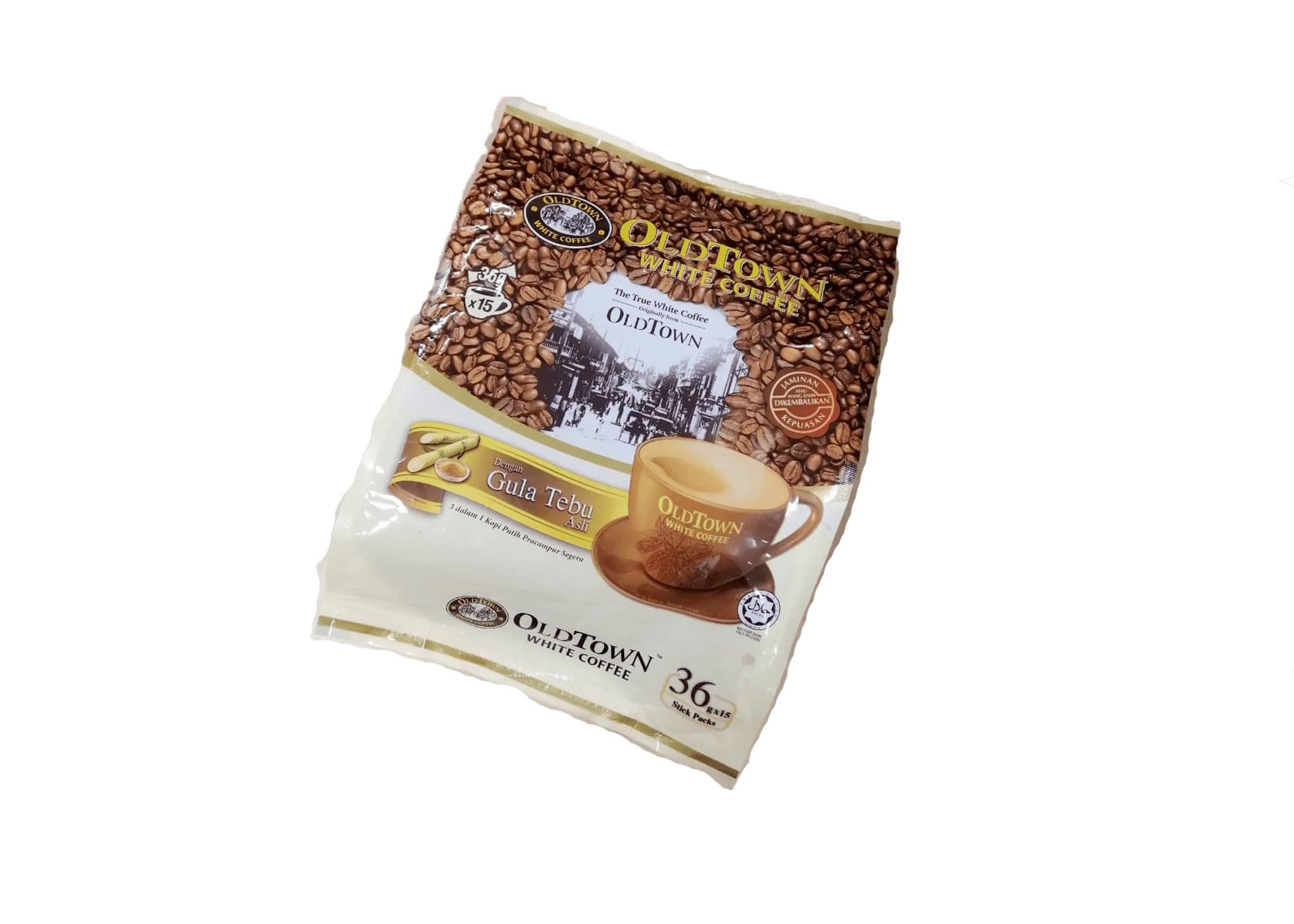
- You are shipping in bulk or through e-commerce — flat pouches stack efficiently in boxes, reducing shipping volume and costs.
- Cost is your primary concern — flat pouches offer the lowest per-unit cost for basic food packaging needs.
- Your product is frozen — flat pouches work excellently for frozen food packaging and are easier to store in freezers.
- You are producing single-serve sachets — for sample sizes, single servings, or sachet packaging, flat pouches are the most cost-effective format.
- Shelf display is handled by secondary packaging — if your products are displayed in boxes, cartons, or hanging displays, flat pouches offer adequate protection without the premium of stand up bags.
Material and Barrier Considerations
Both stand up and flat pouches can be manufactured from similar laminated film structures, but there are important differences:
- Stand up pouches require thicker bottom gusset material to maintain shape, which adds 10–20% more film weight per pouch compared to a flat pouch of equivalent capacity.
- Flat pouches use less material overall, making them more material-efficient and environmentally friendly in terms of packaging weight per unit of product.
- Barrier performance is determined by the laminate structure (PET, aluminium foil, EVOH, metallised film), not the format. Both can achieve the same barrier properties if made with the same materials.
- Spout and nozzle options are typically only available on stand up pouches, making them the better choice for liquid products like beverages, sauces, and liquid soaps.

Hidden Cost Savings: Transport and Storage
The cost difference between stand up and flat pouches goes beyond the purchase price. Here are factors Malaysian businesses often overlook:
Transport cost savings with flat pouches: Flat pouches can be packed tightly in shipping cartons with minimal wasted space. A standard carton can hold approximately 30–40% more flat pouches than stand up pouches of equivalent size. If you are shipping 10,000 units from your manufacturer to your warehouse, flat pouches could save you RM 200–400 in freight costs per shipment.
Warehouse storage efficiency: Flat pouches take up significantly less warehouse space. For a business storing 50,000 pouches, the difference can be an entire pallet worth of space — or RM 500–1,000 in annual warehousing costs.
Retail shelf cost: Stand up pouches reduce or eliminate the need for display fixtures, saving retail placement costs. Some Malaysian retailers charge additional fees for products that require special display setups — stand up pouches can help avoid these charges.
Product waste reduction: Stand up pouches with zipper closures reduce product waste because customers can reseal the package after use. According to Statista flexible packaging market data, stand up pouches represent the fastest-growing segment in flexible packaging globally. For products like coffee, protein powder, and snacks that are consumed over multiple servings, this can reduce product spoilage by 15–25%, which translates to higher customer satisfaction and fewer returns.
Frequently Asked Questions
Which is cheaper: stand up pouch or flat pouch?
Flat pouches are significantly cheaper per unit — typically 30–50% less than comparable stand up pouches. A basic flat pouch costs around RM 0.12–0.20 per unit, while a stand up pouch of equivalent size and material costs RM 0.25–0.45 per unit. The difference is primarily due to the additional material in the bottom gusset and the more complex manufacturing process of stand up pouches.
When should I upgrade from flat pouches to stand up pouches?
Upgrade when your product needs retail shelf visibility to compete, when you are ready to charge premium prices, or when your production volume justifies the investment. Most Malaysian businesses make the switch when they move from online-only sales to retail distribution, or when they launch a premium product line.
Can flat pouches be made with zipper closures?
Yes, flat pouches can incorporate zipper closures, although the application is less common than with stand up pouches. Zipper-equipped flat pouches are typically used for frozen foods, cheeses, and other products where consumers value the ability to reseal the package. However, the zipper mechanism adds cost and can affect how flat the pouch lies.
Do stand up pouches cost more to ship?
Yes, stand up pouches take up more volume during shipping — about 30–40% more than flat pouches in standard cartons. This means higher freight costs from your supplier to your warehouse. However, when filled with product, the difference is less pronounced since the product volume primarily determines carton size rather than the empty pouch format.
Which format is better for Malaysian food export?
Stand up pouches are increasingly preferred for retail food export because they offer better shelf presence in international markets. However, for contract manufacturing or private label where products are shipped in bulk for repackaging at destination, flat pouches offer better cost efficiency. Always check destination country packaging regulations before deciding. For more on packaging options, read our guide on benefits of aluminium foil packaging for barrier protection.
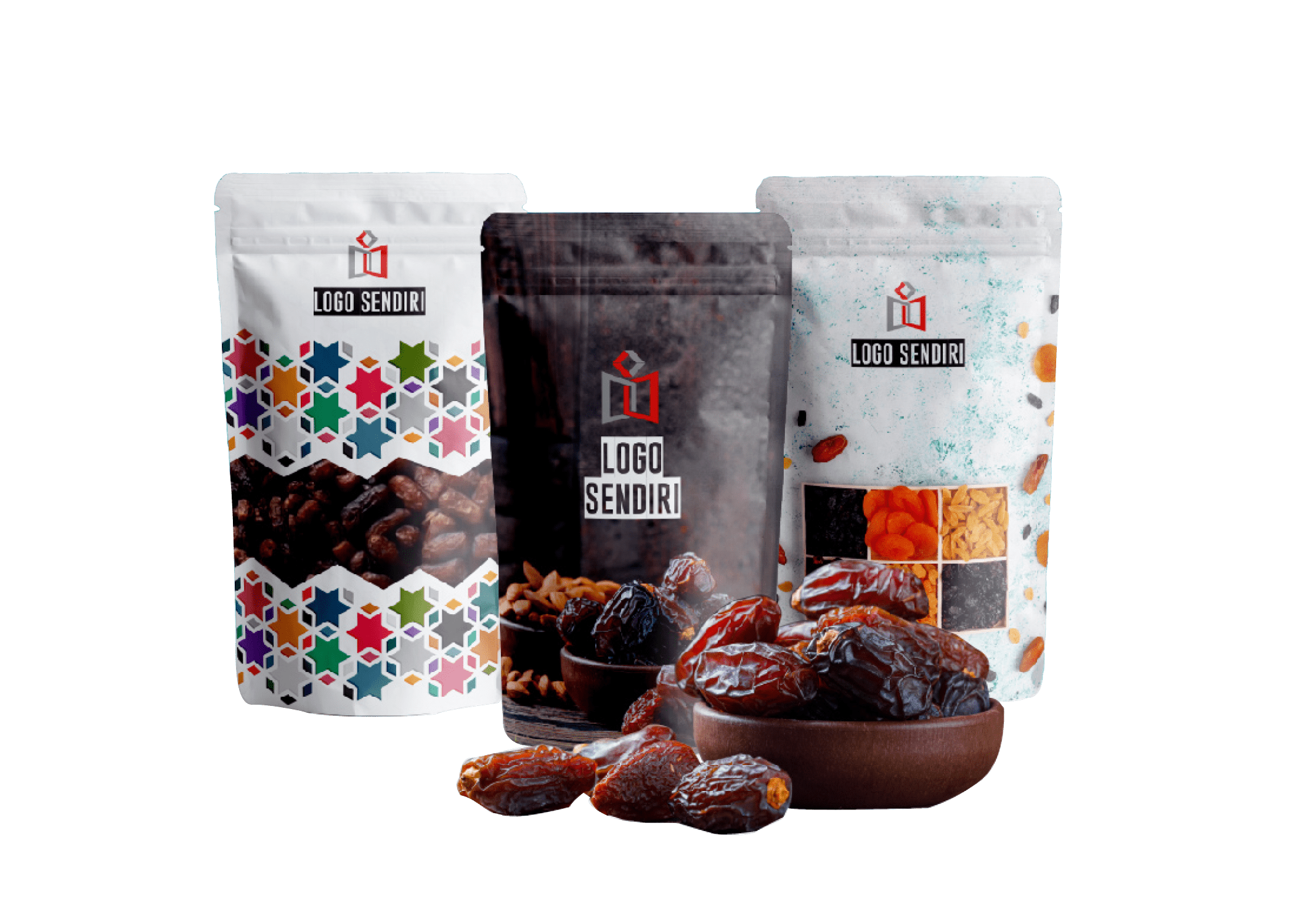
Browse the complete product catalog to explore all available packaging options.
Conclusion
When comparing stand up pouches vs flat pouches, there is no universal “better” option — the right choice depends on your product, distribution channel, target market, and budget. Flat pouches deliver unbeatable cost efficiency for bulk, frozen, or single-serve products where shelf display is less critical. Stand up pouches are a strategic investment that pays for itself through premium pricing, better brand recognition, and stronger retail presence.
Many Malaysian food businesses use both formats strategically — stand up pouches for their flagship retail products and flat pouches for bulk packaging, sample sizes, or e-commerce shipments. This hybrid approach optimises cost while maximising brand impact where it matters most.
Need help choosing the right pouch format for your product? Contact our packaging specialists for a free consultation and material recommendation.
📞 WhatsApp Us: +60 11-6987 2289 | Read: Custom Food Packaging Guide | Explore: Retort Pouch vs Canning