

Food Packaging Malaysia 2026: Complete Guide for Food Entrepreneurs
May 22, 2026Eco Food Packaging Malaysia: Complete Guide for Sustainable Brands
May 22, 2026Packaging 101: A Beginner’s Guide to Custom Packaging for Malaysian Brands
You’ve perfected your food product. Now comes the next challenge: packaging it. If the world of pouches, laminates, print methods, and MOQs feels overwhelming — this guide is for you. We explain everything a first-time packaging buyer in Malaysia needs to know.
What Is Custom Packaging?
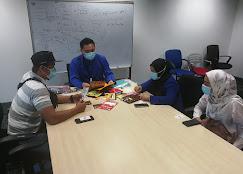
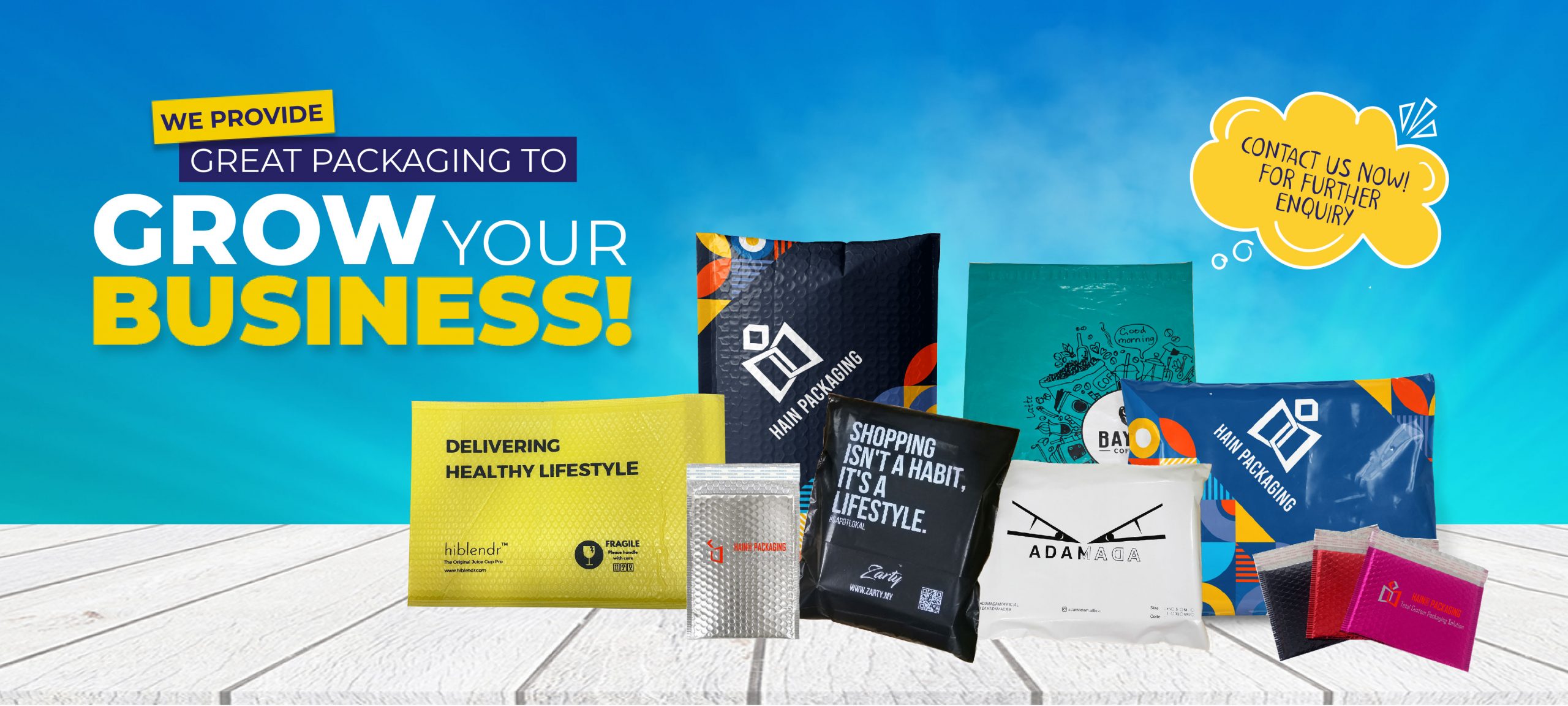
Custom packaging means having your packaging designed and produced specifically for your brand — with your logo, brand colours, product information, and preferred size. This is different from stock packaging, which comes in generic sizes and designs shared across multiple brands.
Custom packaging costs more upfront but offers significant advantages:
- 🏪 Professional shelf presence — your product looks established, not homemade
- 📣 Brand recognition — customers remember your packaging
- ✅ Information control — you decide what goes on the label
- 🛡️ Product protection — custom sizes fit your product perfectly
Packaging Format Basics
Flat Bags vs Stand Up Pouches
Flat bags lie flat — economical, simple, used for single-serve sachets, small items, and budget packaging.
Stand up pouches have a gusseted bottom that allows them to stand upright on shelves — superior retail presence, better for premium products.
Pouch Closure Types
- Zipper (Ziplock) — Resealable. Great for products consumed over multiple uses.
- Spout — Built-in pour spout. Ideal for liquids, sauces, and baby food.
- Degassing Valve — Small one-way valve. Essential for fresh-roasted coffee packaging.
- Tear Notch + Heat Seal — Single-use. Tamper-evident. Common for snacks and dry goods.
- Slider Zipper — Premium zipper with a slider clip. Easy to open and close.
Understanding Packaging Materials
Flexible packaging is made by combining multiple layers of different materials — each layer serves a specific purpose:
Common Laminate Structures
| Structure | Layers | Best For |
|---|---|---|
| PET/PE | Outer PET + inner PE | General dry food, frozen goods |
| OPP/CPP | Outer OPP + inner CPP | Snacks, confectionery, bakery |
| PET/ALU/PE | PET + Aluminium + PE | Premium food, coffee, pharma |
| PET/ALU/NY/PE | 4-layer high barrier | Retort food, pet food, liquid |
| NY/PE | Nylon + PE | Vacuum packaging, frozen food |
The outer layer (usually PET or OPP) provides print surface and structural strength. The inner layer (PE or CPP) provides the heat-seal ability and food contact surface. Aluminium or EVOH layers provide barrier protection against oxygen and moisture.
Print Methods Explained
Flexographic Printing (Flexo)
The most common print method for flexible packaging in Malaysia. Uses raised rubber plates to transfer ink onto the film.
- ✅ Lower setup cost — good for shorter runs
- ✅ Faster turnaround
- ✅ Suitable for MOQ as low as 3,000–5,000 pieces
- ⚠️ Fewer colours (typically 4–6 colours)
- ⚠️ Lower image resolution compared to gravue
Rotogravure Printing (Gravure)
Premium print method using engraved cylinders. Produces photographic-quality images.
- ✅ Exceptional print quality — photographic detail
- ✅ Up to 10 colours in a single pass
- ✅ Better for large volume orders (20,000+ pieces)
- ⚠️ Higher cylinder setup cost
- ⚠️ Not economical for short runs
Digital Printing
Modern print method — no printing plates required. Perfect for very short runs and highly custom designs.
- ✅ No minimum quantity — even as low as 100 pieces
- ✅ Variable data printing (each pouch can be different)
- ✅ Fast turnaround
- ⚠️ Higher per-unit cost
- ⚠️ Limited material compatibility
MOQ Explained: Minimum Order Quantity
MOQ is the minimum number of units a manufacturer will produce in a single order. This exists because every custom order requires:
- Film production setup (machine adjustments, material threading)
- Printing plate/cylinder preparation
- Colour matching and quality testing
At HAIN Packaging, our MOQ starts from 3,000 pieces for most custom pouch types — one of the most flexible MOQ offerings in Malaysia.
Packaging Glossary for Beginners
Gusset — The side or bottom fold in a pouch that expands when filled. A “stand up pouch” has a bottom gusset.
Laminate — Multiple layers of film bonded together for strength and barrier properties.
Heat Seal — The thermal bond that seals the pouch after filling. Essential for food safety.
Barrier Property — How well the packaging prevents air, moisture, or light from reaching the product inside.
Degassing Valve — A one-way valve that releases CO2 from inside the package (used in coffee packaging).
Window Patch — A transparent area on the pouch allowing the product to be seen.
Zipper Channel — The groove in a ziplock pouch where the interlocking closure sits.
Learn more about plastic pouch packaging Malaysia for your specific requirements.
Learn more about how to order custom packaging for your specific requirements.
For more industry context, visit Institute of Food Technologists — food packaging science.
Common Questions
What’s the difference between flexible packaging and rigid packaging?
Do I need design skills to get custom packaging?
How long does it take from order to delivery?
What’s the most popular packaging type for new food brands in Malaysia?
Ready to start your packaging journey? Get in touch with HAIN Packaging for a free consultation →